
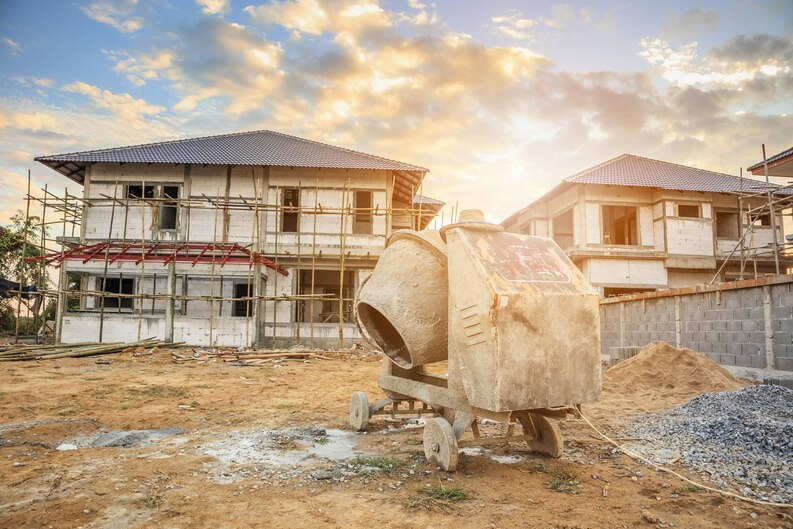
Choosing the right season to begin home construction plays a major role in determining project quality, speed, and overall cost. In a country like India, where weather conditions vary significantly across seasons, proper planning around climate can help avoid delays, material damage, and long-term structural issues. This guide explains the best season to start home construction in India in 2025 and what type of work is suitable in each season.
Why Season Matters in Home Construction
Construction activities such as excavation, RCC work, brick masonry, plastering, waterproofing, and finishing are directly affected by temperature, humidity, and rainfall. Weather conditions influence:
Concrete curing and strength
Labour productivity
Material storage and quality
Project timelines and costs
Selecting the right season ensures smoother execution and better long-term durability of your home.
1. Winter Season (November – February): Best Time to Start Construction
Winter is widely considered the best season for home construction in India.
Advantages of Winter Construction
Moderate temperatures support uniform curing of concrete
Low humidity reduces chances of cracks and shrinkage
Minimal rainfall ensures uninterrupted site work
Better labour availability and productivity
Stable material quality with less moisture absorption
Ideal Construction Activities in Winter
RCC work (footings, columns, beams, slabs)
Brickwork and block masonry
Waterproofing for terraces and bathrooms
Plastering and external finishes
Why Winter Is Recommended
Balanced weather conditions allow engineers to maintain quality control at every stage. Construction during winter generally progresses faster with fewer technical complications.
2. Summer Season (March – June): Good With Proper Curing
Summer construction is feasible but requires additional precautions.
Advantages of Summer Construction
Dry weather allows continuous work
Faster material delivery and logistics
Quick drying of plaster and paint
Challenges During Summer
High temperatures cause rapid moisture loss in concrete
Increased risk of surface cracks without proper curing
Labour fatigue during peak heat
Best Practices for Summer Construction
Increase frequency of water curing for RCC and plaster
Use curing compounds where required
Schedule heavy work during early morning or evening
Monitor concrete temperature closely
With proper site supervision and curing methods, summer can be an effective construction season.
3. Monsoon Season (July – October): Least Recommended
Monsoon is generally not advised for starting new construction projects.
Challenges of Monsoon Construction
Excavation becomes difficult due to wet soil
RCC quality may be compromised by excess moisture
Plastering and waterproofing are less effective
Material transportation delays due to waterlogged roads
Higher chances of structural defects if not managed properly
Work That Can Be Done in Monsoon (If Unavoidable)
Foundation work with proper dewatering arrangements
Boundary wall construction
Indoor electrical and plumbing work (after slab completion)
Internal finishing with adequate protection
Extra planning, sheltering, and supervision are essential if construction continues during monsoon.
Final Recommendation
For most homeowners, winter offers the best balance of quality, speed, and cost efficiency. Summer construction is also manageable with proper curing and supervision. Monsoon construction should be avoided unless absolutely necessary.
At Engineer Constructionwala, construction schedules are planned based on seasonal conditions, soil type, and project scope to ensure long-lasting and structurally safe homes.
People Also Ask
November to February is considered the best period due to stable weather and ideal curing conditions.
Yes, RCC work can be done in summer if proper curing, temperature control, and supervision are maintained.
Excess moisture affects excavation, concrete strength, plaster adhesion, and waterproofing performance, leading to delays and quality issues.
Yes, indoor works such as electrical wiring, plumbing, and internal plastering can continue with proper protection.
Yes. Labour availability, curing requirements, and delays during monsoon can increase overall project costs.
Winter provides the most consistent conditions for achieving high construction quality.
Winter and summer allow faster progress, while monsoon often causes delays due to weather interruptions.
Waterproofing is best done in dry weather. Monsoon conditions reduce effectiveness and curing quality.
Yes. Curing methods, material handling, and work schedules are adjusted based on seasonal conditions.
By planning construction phases season-wise, following strict quality checks, and using appropriate materials and methods for each climat